

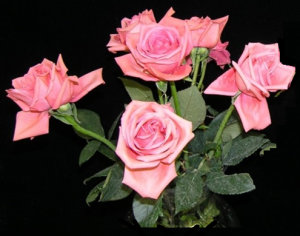
 All damaged plants produce ethylene gas. Cut flowers are also damaged plants, and they produce ethylene as well. Therefore, when storing harvested cut flowers, we inevitably create a problem.
Flowers exposed to the ethylene gas they produce begin to shed their leaves and open their buds prematurely, thus shortening their post-harvest life. In the table below, you can see which flowers react to ethylene gas. It should not be forgotten that you must protect your valuable plants not only from natural ethylene sources but also from synthetic ethylene sources.
All damaged plants produce ethylene gas. Cut flowers are also damaged plants, and they produce ethylene as well. Therefore, when storing harvested cut flowers, we inevitably create a problem.
Flowers exposed to the ethylene gas they produce begin to shed their leaves and open their buds prematurely, thus shortening their post-harvest life. In the table below, you can see which flowers react to ethylene gas. It should not be forgotten that you must protect your valuable plants not only from natural ethylene sources but also from synthetic ethylene sources.
|
The Following Flowers Have Been Identified as Particularly Sensitive to Ethylene Gas |
||
| Achilea (Yarrow) Aconitum (Monkshood) Agapanthus (African Lily) Alchemilla (Lady’s Mantle) Allium (Ornamental Onion) Anemone (Windflower) Alstroemeria (Peruvian Lily) Anethum Antirrhinum (Snapdragon) Aquilegia (Columbine) Asclepias (Butterfly Flower) Astrantia (Masterwort) Bouvardia (Bouvardia) Brodiaea (Triteleia) Campanula (Bellflower) Carnation Chamelaucium (Waxflower) Centaura (Cornflower) Chelone (Snakehead) Clarkia (Godetia) | Crososmia (Montbretia) Cymbidium (Cymbidium Orchid) Daucus (Queen Anne’s Lace) Dendrobium Delphinium (Larkspur) Dianthus (Sweet William) Dicentra (Bleeding Heart) Digitalis (Foxglove) Doronicum (Leopard’s Bane) Eremurus (Desert Candle) Eustoma (Lisianthus) Gladiolus (Gladiola) Godetia Gypsophila (Baby’s Breath) Ixia Kniphofia (Torch Lily) Lathyrus Lilium (Lily) Lisianthus | Lavatera (Tree Mallow) Lysimachia (Loosestrife) Matthiola (Stock) Monbretia Phlox Physostegia (False Dragonhead) Ranunculus (Buttercup) Rosa (Rose) Rudbeckia (Coneflower) Saponaria (Soapwort) Scabiosa (Pincushion Flower) Silene (Catchfly) Trachelium (Throatwort) Triteleia Trollius (Globeflower) Veronica |