

 When it comes to perishable products such as fruits, vegetables, or fresh flowers, transferring the goods from the field to the customer’s home is not a simple process.Those who store and transport products after harvest must create the most suitable environmental conditions possible in order to protect these valuable products from damage.
When speaking about environmental conditions, it is essential never to underestimate Nature’s silent killer: Ethylene Gas.
WHAT IS ETHYLENE GAS?
Ethylene gas (C2H4) is a natural growth hormone released from plant tissues and from the burning of synthetic materials. It is the only member of its class and has the simplest structure among all plant growth hormones. However, its effect on post-harvest products is extremely high. Ethylene plays a role in every stage of a plant’s life, from seed to death. Unlike many growth hormones, ethylene exists in gaseous form. Even when present in slightly high amounts, we cannot smell or see it. Therefore, it cannot be detected without mechanical devices.
Ethylene is not harmful to humans. However, it can become flammable at high concentrations.
It is impossible to resist the power of nature. Ethylene has a very important role in nature. This irreversible role is related to the birth, growth, and death of plants. Just as the birth of plants is important, their death and decay are also essential for the ecosystem. However, when this happens to harvested products, it results in financial loss.
WHAT DOES ETHYLENE DO?
Ethylene primarily causes fresh flowers to shed their leaves, accelerates the aging of all kinds of plants, and speeds up the ripening of fruits and vegetables.
LEAF DROP
This is essentially the separation of a plant organ from its main body. Since ethylene accelerates this process, it causes significant damage especially in the flower industry. Fresh flowers stored in ethylene-free environments require much more time to lose their leaves compared to those stored under normal conditions. This not only damages the appearance of the plant, but the open wounds left by fallen leaves also make the plant vulnerable to diseases.
DEATH OF THE PLANT
This is the final stage of plant maturity. In general, it can be described as the end of the growth process. The result is discoloration, unpleasant odors, and the shrinking and decay of the plant.
Ethylene is one of the hormones that ends the life of a plant. When fruits and vegetables are stored in enclosed spaces, the ethylene gas in the environment continuously increases, causing the products to age faster and faster.
In short, it should be emphasized that the post-harvest life of products is very short. This period must be used efficiently.
RIPENING
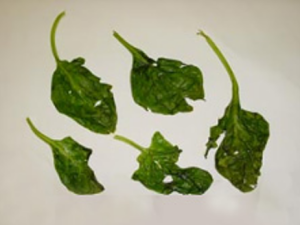 This is the stage before the death of the plant. At this stage, the plant changes its color and smell and becomes most suitable for consumption. During ripening, special attention must be paid to the effects of ethylene. Customers prefer ripe products. Buying products while unripe and waiting for them to ripen is not very common. On the other hand, once ripening begins, it cannot be stopped or reversed. Therefore, the faster a product ripens after harvest, the shorter the time available to deliver it to the customer before it begins to decay. Normally, when the ethylene concentration inside a plant grown in soil reaches around 0.1–1 ppm, the ripening process begins. Plants cannot distinguish between internal and external sources of ethylene.
For this reason, ethylene gas coming from outside accelerates ripening. Therefore, reducing the amount of ethylene gas in the surrounding environment is essential to slow down the ripening process. Most damaged plants emit ethylene. This gas is naturally released from the cells of ripening, decaying, or aging plants. Since harvested products are, in a sense, damaged plants, storage areas turn into ethylene-producing factories. However, plants are not the only source of ethylene. Every burning material releases more or less ethylene gas. Some external sources include fluorescent lamps, cigarette smoke, and automobile exhaust fumes. The amount of ethylene contained in exhaust gases is very high. Therefore, when storage room doors are opened to remove ethylene, even more ethylene may enter the storage area instead. As a result, ethylene gas must be eliminated for the health of the products.